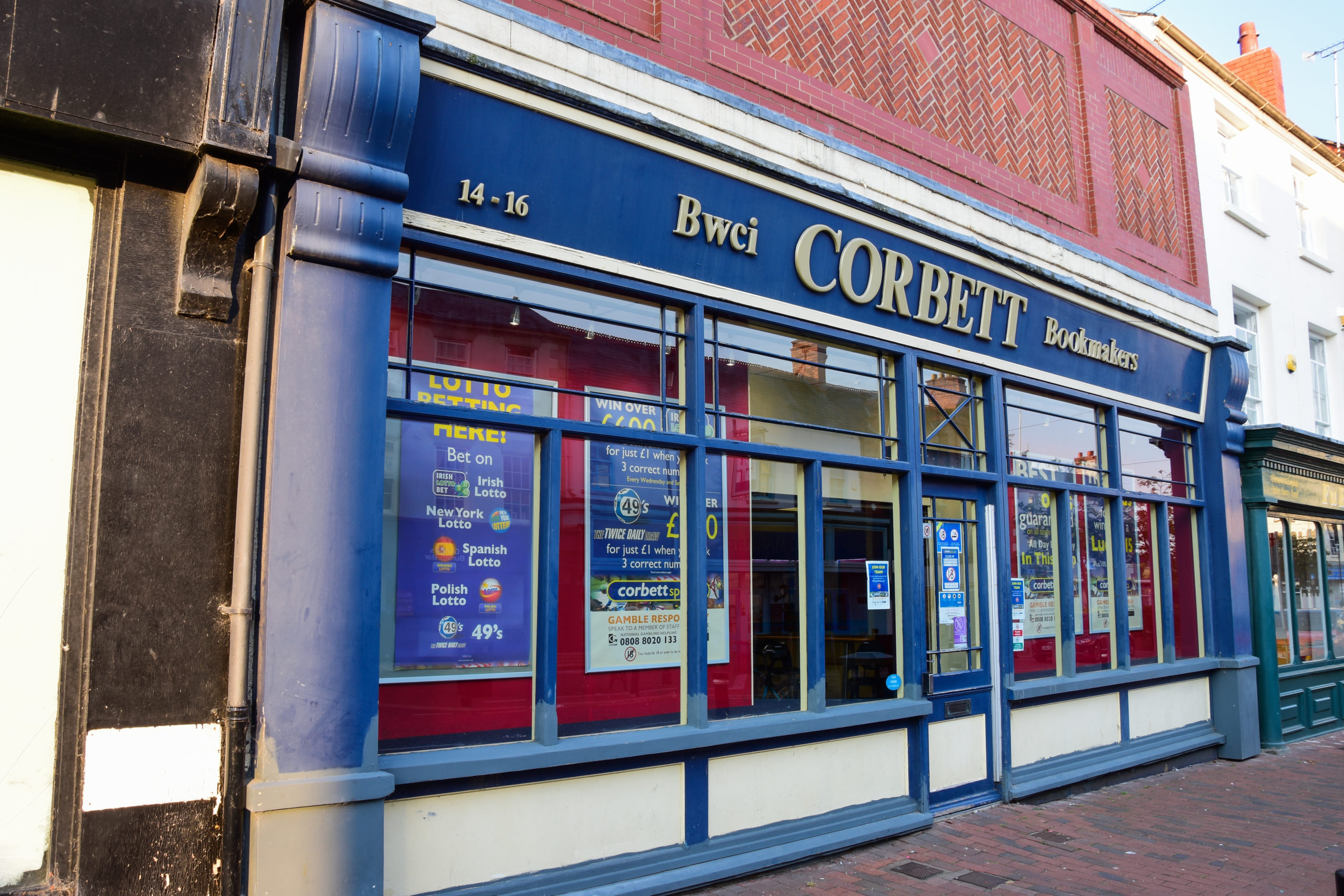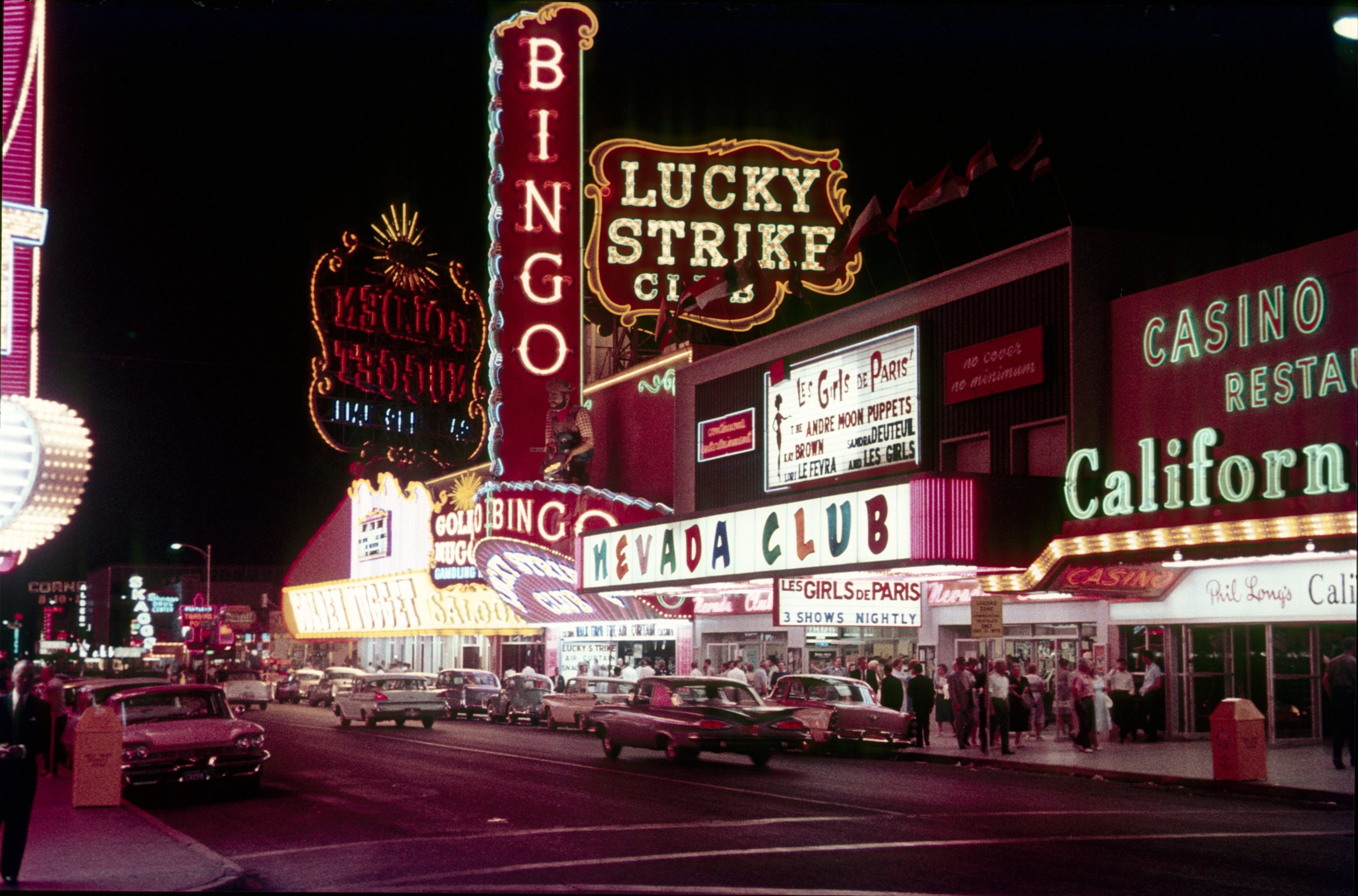
- Betting shops are physical high-street locations where people can place bets in person on sports, racing, and other events using cash or card.
About Betting Shops
For decades, betting shops were the main way people placed bets in the UK. While online platforms now handle most betting activity, these high-street locations have not disappeared — and they continue to attract customers for reasons that go beyond convenience alone.
Betting shops offer a wide range of betting opportunities, covering sports like football, horse racing, and greyhound racing, as well as casino games. Many shops also provide live streaming for sports events, allowing customers to watch and bet as the action unfolds.
In regulated countries like the UK, betting shops are licensed by the government and are usually operated by major bookmakers such as William Hill, Ladbrokes, Coral, Betfred, and Paddy Power. These brands run the majority of remaining high-street betting locations, even as the total number of shops has declined in recent years.
Unlike online betting, customers in UK betting shops do not normally need to open an account to place a bet. Most bets can be placed directly using cash or card. However, staff may ask for identification if a customer looks under 25, or if required by anti-money-laundering or safer-gambling regulations.
Betting shops are required to display responsible gambling messages and provide information about support services for people experiencing gambling-related harm.
Why Do People Still Use Betting Shops?
Despite the growth of online betting, high-street betting shops are still used by some customers because they allow cash betting, offer a face-to-face environment, and provide a simple alternative to using apps and online accounts.
For many people, especially those who are less comfortable with technology, a shop is still the easiest way to place a bet. They remain particularly popular for horse racing, greyhound racing, and quick in-play bets where customers can watch the action and place wagers at the same time.
#ad ● 18+ ● Play Safe ● GambleAware.org
Pros & Cons of Betting Shops
Betting shops are still a familiar feature of many high streets, offering a convenient way to place bets in person. However, their accessibility, regulatory constraints, and social impact mean they also come with important drawbacks.
Pros
-
Cash Betting
You can place bets using cash, which some customers prefer over online payment methods.
-
Face-To-Face Service
Staff can help with bet placement and basic support, which suits customers who dislike apps or want simplicity.
-
Optional Online Account Linking
Some bookmakers let you link in-shop bets to an online account for tracking, offers, or rewards (where available).
-
Live Streaming
Many shops show live racing and sport, giving a watch-and-bet environment.
-
Walk-In Access
You can usually place a straightforward bet without setting up an online betting account.
Cons
-
Limits And Bet Restrictions
Shops can impose staking limits, refuse certain bets, and apply safer-gambling or anti-money-laundering checks.
-
Prices Can Differ From Online
Odds may match online for major markets, but they can also differ due to timing, shop systems, coupons/boards, or channel-specific offers—so it’s worth checking.
-
Fewer Markets And Features
Shops typically offer fewer niche markets and tools than online platforms (such as extensive bet builders, filters, and quick price comparison).
-
Less Privacy
Betting takes place in a public environment where others may see your activity.
-
Social And Location Concerns
Betting shops are often debated due to their concentration in certain areas and the wider impact on vulnerable customers.
Bookmakers With High Street Shops
8.4 / 10
7.5 / 10
8.3 / 10
9.0 / 10
8.1 / 10
8.6 / 10
Related Articles
More Betting Products
- How To Read Horse Racing Form | Beginner’s Quick & Easy Guide - January 27, 2026
- Visa | Gambling Payment Method | Pros & Cons, Betting Sites - January 26, 2026
- Mastercard | Gambling Payment Method | Pros & Cons, Betting Sites - January 25, 2026