
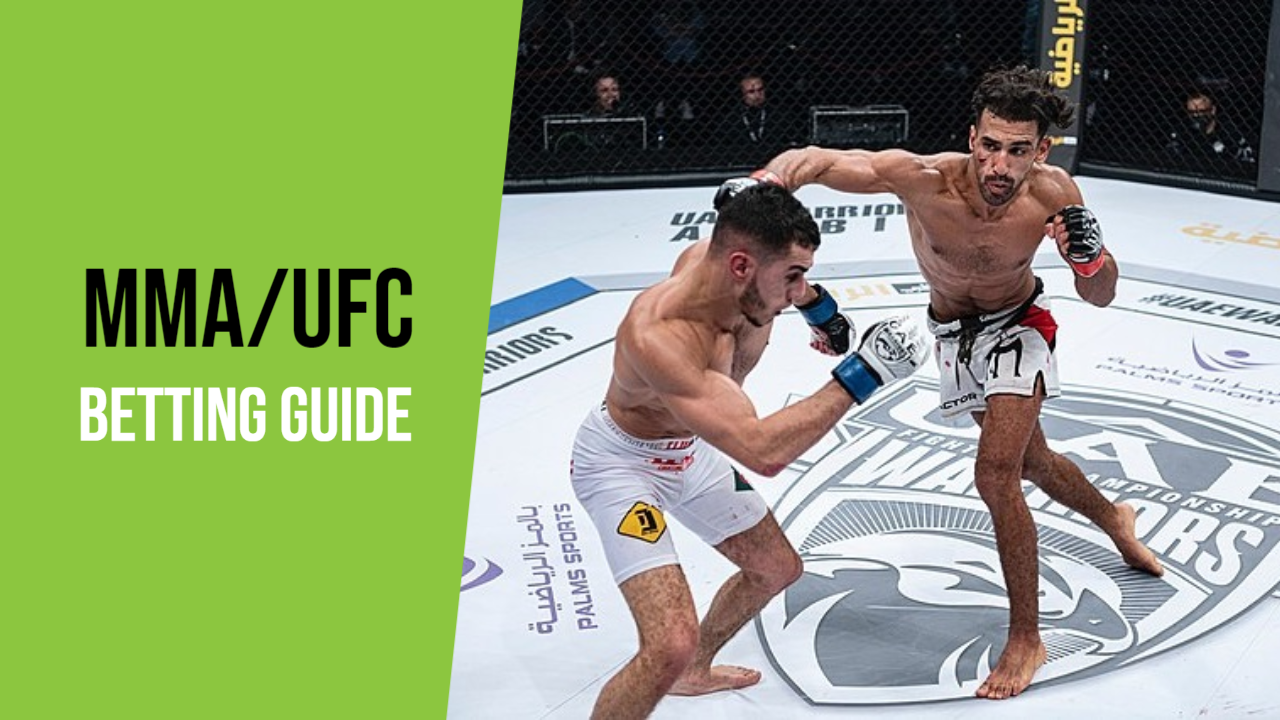
This MMA and UFC betting guide provides key insights into the sport, covering the critical factors that influence fight outcomes. You’ll also find trusted sites for fight stats, analysis, and match previews. Whether you’re backing a heavy hitter or betting on a tactical decision, this guide will help you make more informed wagers in the world of mixed martial arts.
About MMA/UFC Betting
MMA (Mixed Martial Arts) is a full-contact combat sport that combines techniques from multiple disciplines, including boxing, wrestling, Brazilian Jiu-Jitsu, Muay Thai, and kickboxing. Fights can be won via knockout, submission, or decision — making outcome prediction a tactical challenge for bettors.
The UFC (Ultimate Fighting Championship) is the largest and most prominent MMA organisation globally, hosting events across various weight classes with a standardised ruleset. While the UFC is the dominant brand, other organisations such as PFL, ONE Championship, and Rizin also offer regular betting opportunities and attract fighters from around the world.
MMA betting typically revolves around predicting the fight winner, but markets also include method of victory, round betting, and whether the fight will go the distance — offering multiple angles to assess and exploit.
Why Bet On MMA/UFC?
-
High-Stakes Action
With small gloves and unpredictable outcomes, every punch, kick, or takedown can swing the result — making each fight thrilling to watch and bet on.
-
Tactical Depth
Successful betting requires understanding fighting styles, cardio, ground game, and past performance — appealing to fans who enjoy analytical betting.
-
Frequent Events
The UFC hosts events nearly every weekend, with additional cards from PFL, ONE Championship, Rizin, and other promotions offering regular betting opportunities.
-
Value in Underdogs
Underdogs win surprisingly often in MMA. With the right analysis, bettors can find value where bookmakers may underrate a fighter’s style or momentum.
Popular MMA/UFC Competitions
These are the most widely followed MMA events — offering strong betting markets and high-profile matchups across different promotions:
- UFC Numbered Events: Major pay-per-view cards (e.g. UFC 300) featuring title fights and top-ranked fighters.
- UFC Fight Nights: Weekly events with prospects and contenders. Great for regular betting opportunities.
- UFC International Fight Week: Annual Las Vegas showcase with fan events and a headline UFC card.
- The Ultimate Fighter Finale: Features TUF finalists and UFC newcomers — often with upset potential.
- PFL Championship: Season-based finals with $1M prizes per division. Form and structure suit data-driven bettors.
- ONE Prime Video Events: Monthly cards featuring MMA, Muay Thai, and submission grappling — mostly Asia-based.
- ONE Championship Events: Regular cards featuring MMA, Muay Thai, kickboxing, and submission grappling, attracting elite fighters from around the world.
- Rizin New Year’s Eve: Japan’s annual spectacle, often featuring cross-promotion fights and big home crowds.
Choosing A Site for MMA/UFC Betting
Different betting sites cater to different types of MMA bettors. The right choice depends on whether you value fight specials, in-play betting, stronger prices, international events, or cryptocurrency payments.
| If You Want… | Consider… |
|---|---|
| MMA promotions, fight specials, method of victory markets, and easy-to-use betting apps | UK Bookmakers |
| To trade fights live or react to momentum shifts, knockdowns, and submission attempts | Betting Exchanges |
| Lower margins, stronger prices, and a greater focus on long-term betting value | Sharp Sportsbooks |
| Access to multiple international bookmakers and wider MMA markets through one account | Betting Brokers |
| Cryptocurrency payments, global betting access, and alternative betting platforms | Crypto Sportsbooks |
Considerations for MMA/UFC Betting
MMA is one of the most unpredictable sports to bet on — a single punch, mistake, or takedown can change the outcome instantly. But with the right analysis, you can gain an edge — especially when markets overreact to hype, records, or public opinion.
Fighting Style
Every fighter brings a unique style — boxing, wrestling, BJJ, Muay Thai — and the way these styles match up is often more important than win/loss records. A striker may struggle against a wrestler, while a grappler might get outclassed on the feet.
Key things to consider:
- Boxers: Crisp hands, good footwork, and counter-striking ability. Strong in striking battles but often vulnerable to takedowns.
- Wrestlers: Excel at takedowns and top control. Often dictate where the fight takes place — a huge advantage.
- BJJ specialists: Dangerous on the ground, especially when facing less experienced grapplers. Look for submission props.
- Muay Thai fighters: Clinch-heavy, with damaging elbows and knees. Great for close-range battles and cut stoppages.
When two styles clash, think about how each fighter is likely to implement their game plan — and whether they’ve had success against similar opponents in the past.
Recent Form
Don’t just look at a fighter’s record — dig into the context. A 3-fight win streak might sound impressive, but who were they fighting?
- Strength of schedule: Wins over unranked opponents aren’t equal to wins over top-10 contenders.
- Method of victory: Decision wins may suggest a lack of finishing ability. Quick finishes may hide cardio issues.
- Damage taken: Fighters coming off brutal wars — even if they won — may not be fully recovered by the next bout.
- Activity gaps: Long layoffs (6+ months) can lead to cage rust — or signal recovery from injury.
Analysing the quality of opposition and the circumstances surrounding recent results can provide a much clearer picture than a fighter’s record alone.
Physical Attributes
Size, reach, and athleticism can all tilt the odds — but only when used effectively. Bettors should assess:
- Reach advantage – Helps maintain range in striking-heavy matchups, especially against shorter opponents.
- Height and frame – Taller fighters may struggle against low-level takedowns but often control distance more effectively.
- Strength – Important in clinch battles, takedowns, and positional control.
- Speed and reflexes – Often decisive in striking exchanges and counter-attacking opportunities.
- Durability – Fighters with a proven chin can survive adversity that might stop others.
Bettors often study the “tale of the tape” — height, reach, age — to assess advantages in striking range, durability, and athletic decline.
Cardio & Fight Pace
Gas tanks win fights — especially in three- or five-round bouts. Fighters who can maintain pace and output tend to win decisions or grind down their opponents.
- Strong cardio – Can create value in decision markets, late stoppages, and championship fights.
- Fast starters – Often dangerous early but may slow significantly as the fight progresses.
- Fight pace – High-output fighters can overwhelm opponents over three or five rounds.
- Recovery ability – The ability to recover after tough rounds often separates elite fighters from contenders.
Watch for previous third-round performances and whether a fighter slows significantly after Round 1 or 2.
Mental Toughness
Mental resilience can be difficult to quantify, but it often separates elite fighters from talented contenders.
- Comeback ability – Some fighters respond well to adversity and improve as fights become difficult.
- Decision-making – The best fighters adapt when their original game plan fails.
- Emotional control – Over-aggression or panic can lead to costly mistakes.
Mental strength is particularly important in close fights and can create opportunities for live bettors.
Training Camp & Preparation
Camp quality, stability, and preparation time matter — a lot. Camp changes can be a red flag — especially when a fighter leaves a top team or splits from a longtime coach. Look for:
- Elite gyms: Training at top facilities often means better sparring partners and coaches.
- Late-notice fights: Fighters stepping in with short notice may be underprepared or drained by weight cuts.
- Layoffs & injuries: Long layoffs can mean cage rust. Recent injuries (especially ACLs or concussions) often impact performance even after clearance.
Monitoring training camps, injuries, and preparation time can often reveal valuable information before the market fully adjusts.
Weight Classes
Weight cutting can dramatically affect performance. Fighters who struggle on the scales often show reduced cardio, slower movement, and weaker durability.
- Missed weight: Can signal poor prep or health issues, even if the fighter looks bigger on fight night.
- Extreme cuts: Fighters dropping a lot of weight tend to fade in later rounds — ideal for live betting or over/under markets.
- Moving weight classes: Dropping down risks a rough cut, while moving up improves cardio but may cause a size disadvantage.
- Weigh-in body language: Look for signs of dehydration, fatigue, or sluggishness before face-offs.
Tracking weigh-ins is one of the easiest ways to find late betting value — especially in round or finish props.
Judging Trends & Rules
MMA uses a 10-point must system, but scoring can be subjective. Judges typically reward damage, cage control, and aggression — but this varies by commission and event location.
- Home advantage: Hometown fighters often get the benefit of the doubt in close rounds.
- Grappling vs damage: Some judges reward control; others focus on strikes landed.
In close fights, betting the underdog by decision or looking for split-decision props can offer value.
Understanding judging tendencies at different venues (e.g. Las Vegas vs. Texas) can help predict close fight outcomes and avoid traps in decision bets.
MMA/UFC Betting Markets
MMA betting offers a range of markets beyond simply picking the winner. Here are the most common — and potentially profitable — betting options:
- Winner (Moneyline): Bet on which fighter will win the bout. This is the most straightforward market, but favourites can offer limited value unless used in parlays or upset picks.
- Method of Victory: Wager on how the fight will be won — by knockout (KO/TKO), submission, or decision. This market is great for bettors who understand each fighter’s strengths and tendencies.
- Round Betting: Predict the round in which the fight will end. While riskier, round betting offers strong odds and can be valuable when a fighter is known for early or late finishes.
- Total Rounds (Over/Under): Bet on whether the fight will last over or under a set number of rounds (e.g. Over 2.5). This market suits bettors who assess fight pace, durability, and finishing ability.
- Fight To Go The Distance: Bet on whether the fight will reach the final bell. This market is particularly useful when analysing durability, cardio, finishing ability, and stylistic matchups.
- Double Chance: Combine method and winner — e.g. Fighter A to win by KO or submission. This reduces risk while improving payout compared to a straight moneyline.
- Props / Specials: Markets like “Will the fight go the distance?”, “Will there be a knockdown?”, or “Total takedowns.” Ideal for data-driven or stylistic matchups.
- Accumulators (Parlays): Combine multiple fight outcomes into one bet. Parlays offer high payouts but require every selection to win — best used cautiously or for small stakes.
Choosing the right market depends on your knowledge of the fighters, their styles, and the matchup. Look for value where the market might overlook a key advantage — such as cardio, chin, or stylistic edge.
Best Sites for MMA/UFC Stats
The following sites provide free MMA and UFC statistics:
To learn more about these sites, check out: Best Sites For MMA/UFC Statistics
MMA/UFC FAQ
MMA (Mixed Martial Arts) is a full-contact combat sport that blends striking and grappling techniques from disciplines like boxing, wrestling, BJJ, and Muay Thai. The UFC (Ultimate Fighting Championship) is the sport’s premier promotion, known for its global roster, title fights, and frequent betting opportunities.
Fighters can strike, grapple, or submit their opponents within a cage under unified rules. Fouls include eye gouging, groin strikes, strikes to the back of the head or spine, and small joint manipulation. Most bouts use the 10-point must system for scoring, with judges awarding rounds based on damage, control, and effective techniques.
Regular bouts last 3 rounds (5 minutes each), while title fights and main events go 5 rounds. Scoring follows the 10-point must system: round winners get 10 points, with the opponent receiving 9 or fewer. Fights can end by KO, TKO, submission, or decision (unanimous, split, or majority).
Most promotions follow these divisions:
- Strawweight (115)
- Flyweight (125)
- Bantamweight (135)
- Featherweight (145)
- Lightweight (155)
- Welterweight (170)
- Middleweight (185)
- Light Heavyweight (205), and
- Heavyweight (265 max)
Standard equipment includes 4oz MMA gloves, shorts, a mouthguard, and a groin protector. Some amateur fights may also require shin guards or rash guards.
Yes. Draws can occur if judges score the bout evenly or due to point deductions. Fights may also be ruled a no contest due to illegal strikes or accidental fouls. These outcomes are rare but important in betting markets.
Fighting styles, recent form, cardio, physical attributes, durability, and stylistic matchups are among the most important factors when analysing MMA fights. Understanding how two fighters match up is often more valuable than simply comparing their records.
Definitely. Momentum swings are common — and spotting signs of fatigue, damage, or shifting control mid-fight can offer betting value not reflected in pre-fight odds.
Yes. Some promotions (e.g. ONE Championship) use different scoring systems or round lengths. Always check the event format. These changes can affect prop markets like round totals, method of victory, or pace-based bets.

- Curaçao Gaming Authority (CGA) - July 2, 2026
- Betfred Review | Examining The Bookmaker’s Overall Performance [2026] - July 2, 2026
- 32Red Sport Review | The Casino Giant’s Sports Offering [2026] - July 2, 2026